Cadmium in chocolate: our transparency update
Dear Valued Customers,
You may have recently seen or heard reports regarding the possible presence of cadmium in cocoa and chocolate. True to our values, we wished to take stock with you, simply and in complete transparency, regarding the quality of our organic chocolates.
What is cadmium and how does it end up in cocoa?
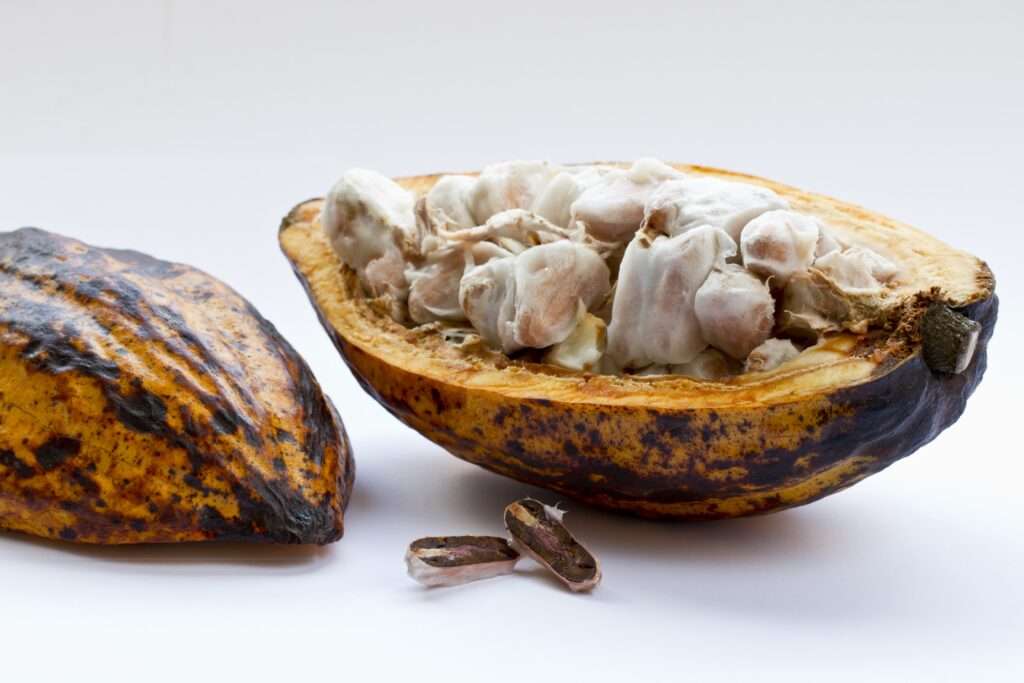
Cadmium is a heavy metal naturally present in the environment (soil, water, air). It is particularly concentrated in certain volcanic soils (notably in Latin America).
The cacao tree, like many plants, naturally absorbs nutrients and minerals from the soil. This is why all chocolates, whether organic or conventional, may contain trace amounts.
Why does organic chocolate help limit cadmium?
Intensive farming and conventional agriculture exacerbate the presence of this metal. Indeed, the primary source of cadmium added to soils comes from phosphate-based mineral fertilizers. According to ADEME, more than half of the cadmium introduced into agricultural soils stems from these chemical fertilizers.
By choosing organic agriculture and respectful cultivation within agroforestry systems (without deforestation, unlike what is frequently observed in intensive industry), we strictly exclude these chemical fertilizers. This significantly curtails the introduction of cadmium into the soils and, consequently, into our cocoa beans.
Cadmium in our daily diet
It is important to understand that cadmium is found in many everyday foods: fruits, vegetables, grains, and durum wheat (pasta). In truth, cereal-based products contribute far more to overall dietary exposure, particularly in children, due to the volumes consumed. This is why health authorities emphasize the importance of a varied and balanced diet.
What is the cadmium level in Jean-Claude Berton chocolates?
To guarantee you a wholesome, high-quality chocolate, we carefully select our partner growers and terroirs in the Dominican Republic, Peru, and Brazil.
Our regular quality checks and laboratory analyses demonstrate that our products remain well below European regulatory thresholds:
| Product | Observed level | Maximum regulatory threshold |
| Omegachoco® | 0.16 mg/kg | 0.80 mg/kg |
| Cocoa powder | 0.33 mg/kg | 0.60 mg/kg |
The full results of our laboratory analyses are available as attachments (or for download here).
Our commitment to wholesome, natural chocolate
In addition to strictly monitoring heavy metals, all of our fine chocolates and our Omegachoco® range are:
-
Certified organic (free from chemical fertilizers and pesticides),
-
Lecithin-free, additive-free, and free from added flavorings.
In conclusion: indulge with complete peace of mind
Varying your diet, prioritizing quality organic products, and savoring your chocolate with confidence: that is what matters most. You can continue to enjoy Omegachoco® (which boasts 10 nutritional claims, including "rich in omega-3") as well as our fine chocolates in total safety.
Chocolately yours,
Jean-Claude Berton and the entire team.